TMTB Fisheries Management Plan for the Upper Waikato River 2025
The Ngāti Tūwharetoa Upper Waikato River Fisheries Plan 2025 is an environmental plan bringing together our mātauranga and kōrero tuku iho, including wāhi tapu, wāhi tūpuna, taonga species and mahinga kai for the Upper Waikato River.
This plan is focused on protecting and improving the health of the Waikato River. It sets out how Ngāti Tūwharetoa intends to achieve this, with the kōrero within the plan helping to shape and guide legislation, by-laws and district planning that impact Te Awa o Waikato.
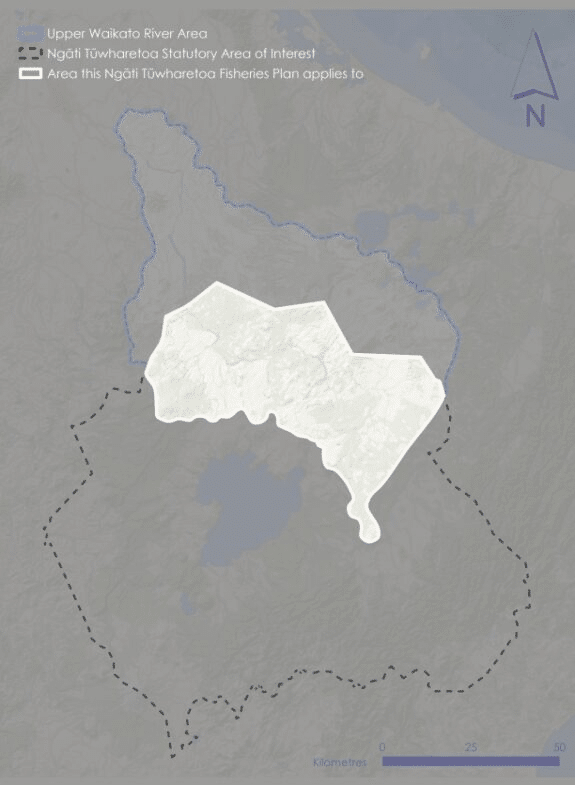
The area covered by the Fisheries Plan is shown in the map below.
About the Fisheries Plan
The report outlines the legislation, plans and documents that shape this environmental plan.
The plan was prepared under the Waikato River Act 2010. This means regional and district councils, DOC and Fisheries must take the plan into account when carrying out their work.
Ngāti Tūwharetoa and Freshwater Fisheries
Te Awa o Waikato was named by the tūpuna, Ngātoroirangi. This awa tūpuna connects us to our ancestors and te ao wairua. It is our responsibility as kaitiaki to protect our awa tūpuna.
Our relationship with the awa is reflected in the following vision statements from the Waikato River Settlement:
Tooku awa koiora me oona pikonga he kura tangihia o te maataamuri
The river of life, each curve more beautiful than the last.
Our vision is for a future where a healthy Waikato River sustains abundant life and prosperous communities who, in turn, are all responsible for restoring and protecting the health and wellbeing of the Waikato River, and all it embraces, for generations to come.
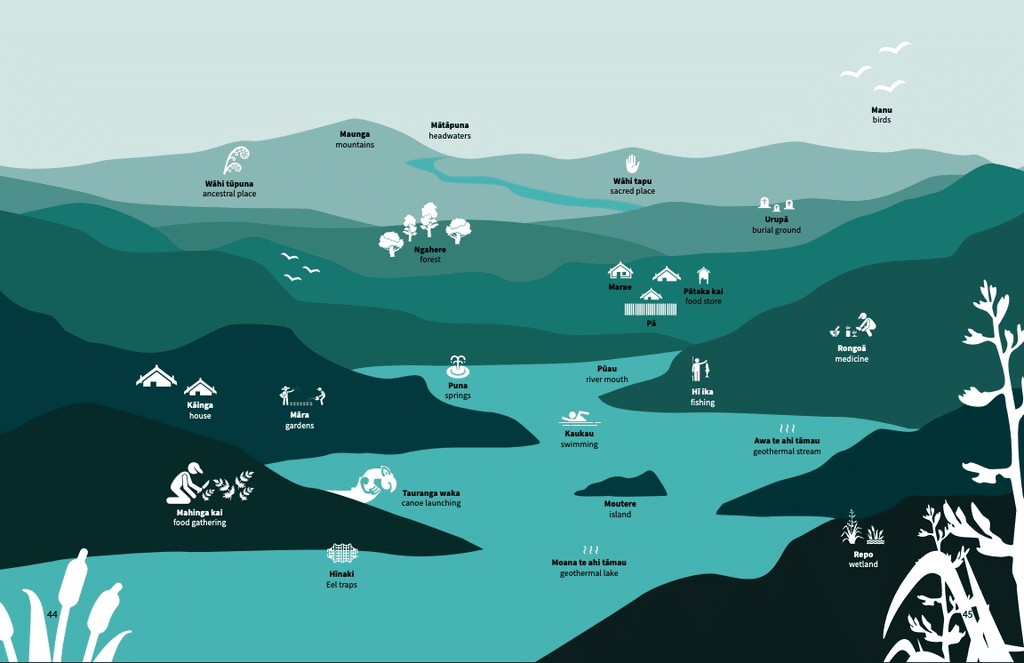
The graphic below depicts the Ngāti Tūwharetoa values connected to Te Awa o Waikato.
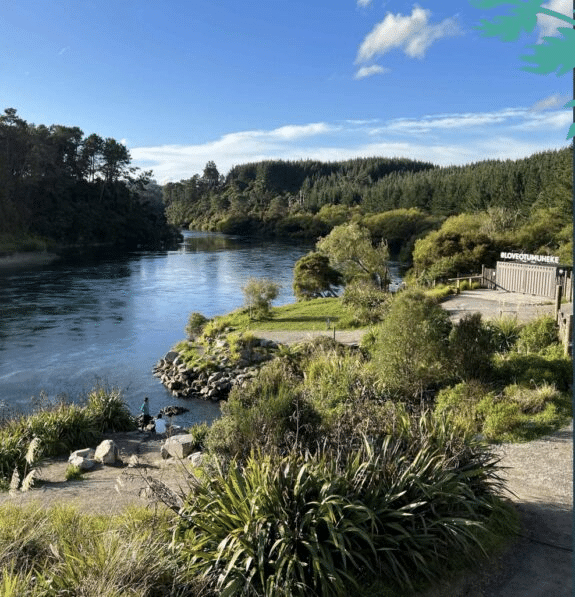
Wāhi Tūpuna
Wāhi tūpuna are places intrinsically connected to our way of life.
One such place is Otumuheke Stream, an awa te ahi tāmau, or geothermal stream. It is a place where our people swim and collect rare native ferns.
Many of our wāhi tūpuna are under threat from development. One of the policies within the Fisheries Plan is to protect these places from impacts such as subdivision and development.
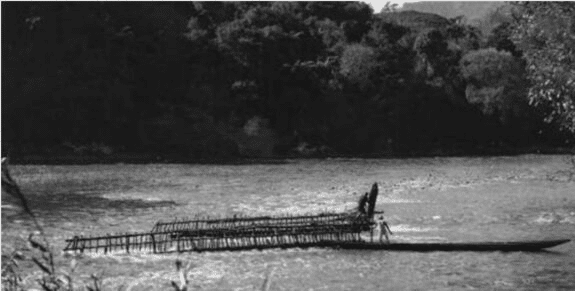
Traditional Methods of Collecting Kai
We have our own unique ways of collecting kai. Some are practices of old, while others continue to be maintained today.
The Fisheries Plan records these methods so we can continue to follow the practices of our tūpuna.
Tuna, kōura and ika were traditionally harvested using methods such as hīnaki, rau kōura and pā tuna. These mahinga practices are guided by tikanga and an understanding that the awa will continue to provide when it is cared for in return.
The Fisheries Plan sets out how mahinga kai practices must be recognised as a way of upholding tino rangatiratanga for whānau, hapū and iwi.
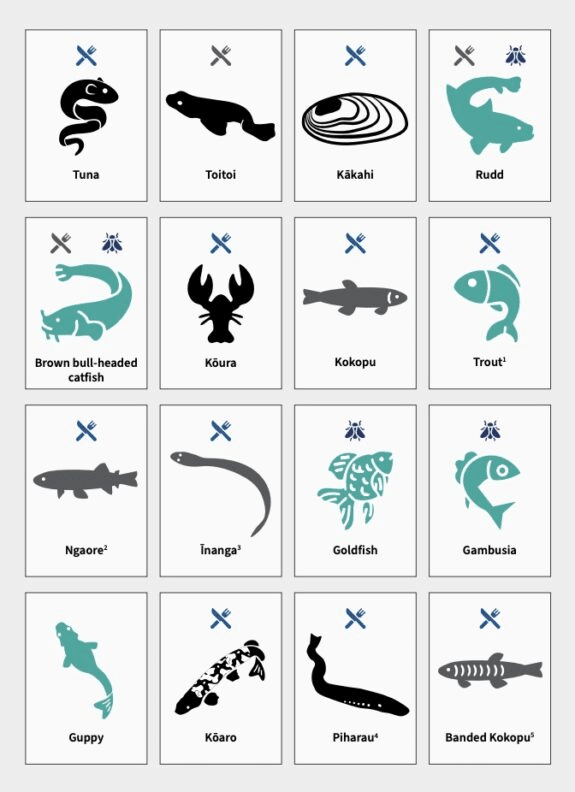
Species in the Upper Waikato Fisheries Area
The plan records species found within the fisheries area, including whether they are native or introduced, considered a pest or a food source, and where they have been recorded within the Upper Waikato.
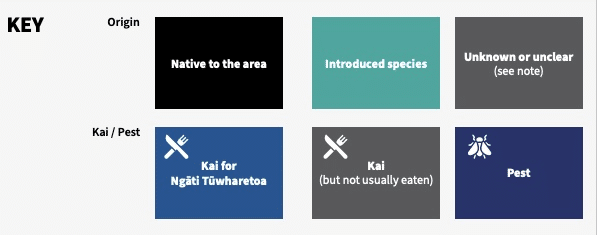
Taonga species such as kōaro, tuna and kōura have long sustained our people. Through our relationship with Te Awa o Waikato, these taonga exist within our whakapapa, our history and our future.
We are committed to protecting the mauri of Te Awa o Waikato so that our taonga species can thrive.
This includes restoring habitats and strengthening how taonga species are recognised within planning and decision-making.
Issues and Threats
There are a number of issues and threats affecting our taonga species, including:
- Barriers to fulfilling our role as kaitiaki, including a lack of resourcing or appropriate legislation
- Environmental degradation from stormwater entering waterways, water discharges, agricultural runoff and erosion
- Limited public access to our awa due to commercial use and privately owned land
- Compromised kai safety
- A lack of protection for wāhi tapu
Objectives, Policies and Methods
The Ngāti Tūwharetoa objectives set out within the Fisheries Plan are:
- Exercising tino rangatiratanga as it relates to the Waikato Awa
- Protecting the taonga species of the Waikato Awa
- Ensuring fuller access to the ancestral waters of the Waikato Awa
- Managing, protecting and enhancing customary fishing
- Maintaining the relationship between the iwi and the awa
The plan sets out clear policies and methods for achieving these objectives, which TMTB has begun to progress and will continue to advance.
Frequently Asked Questions
Why do we need a Fisheries Plan for the Upper Waikato River?
The Fisheries Plan is called for under the Waikato River Settlement.
It ensures that when councils, government agencies and other entities make development or environmental decisions, they take into account Ngāti Tūwharetoa mātauranga, kōrero tuku iho, wāhi tapu, wāhi tūpuna, taonga species and mahinga kai.
Why is the report being shared now?
The plan was co-drafted with Ngā Kaihautū representatives throughout 2025 and was first shared with the wider iwi at our AGM at the end of that year, including through the AGM report.
It has now been published online to make it accessible to everyone.
Why were only some marae involved in drafting this plan?
The area covered by this plan is within the northern part of our rohe.
We worked closely with Ngā Kaihautū, the mandated representatives of our northern marae, to gather their kōrero and co-draft the plan.
How will this plan change over time?
Like our awa, this is a living document that will continue to evolve and change to meet the changing needs of our environment.
As part of the Waikato River Settlement, mechanisms are also in place for the plan to be reviewed regularly.